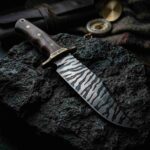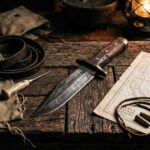
Few blades carry the historical weight, rugged reputation, and immediate recognition of the Bowie knife. Whether you recognize it from classic Western films, modern video games, or historical texts, this large fixed-blade knife commands respect.
But beyond its striking appearance, you might wonder: What is the purpose of a Bowie knife?
This article explores the rich history of this legendary blade, untangles the truth behind its invention, and breaks down its primary uses. We will dive into its origins, explore how people use it today, and provide practical tips for finding the perfect knife to add to your collection or outdoor kit.
What is a Bowie Knife?
Before we explore its specific ‘uses, we need to answer a fundamental question: What is a Bowie knife?
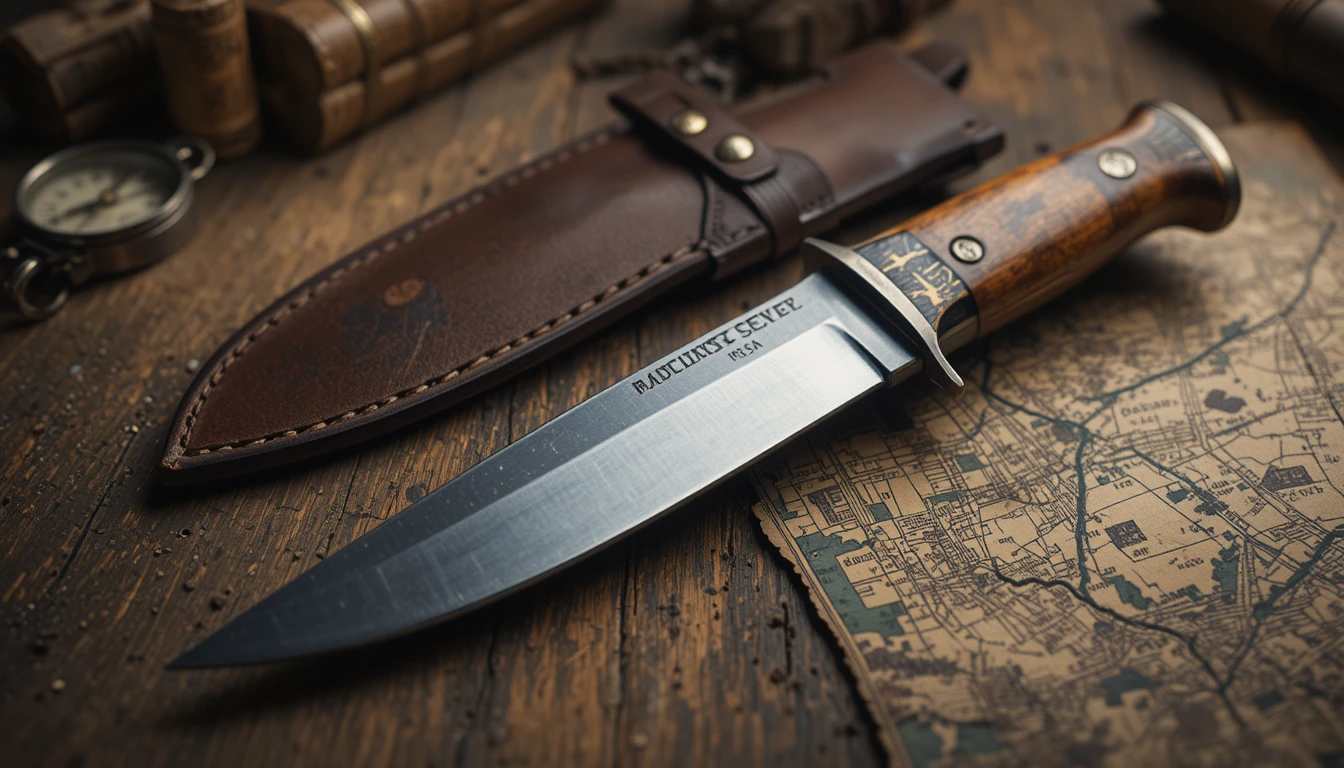
A Bowie knife is a large fixed-blade fighting and utility knife. While designs vary, a true Bowie features a few defining characteristics. First, it usually has a blade length between six and twelve inches. Second, it incorporates a distinctive clip point, meaning the top edge of the blade near the tip curves downward to form a sharp, piercing point.
Additionally, most of these knives feature a sturdy crossguard. This metal piece sits between the blade and the handle to protect the user’s hand during heavy use or combat. Finally, a thick steel spine gives the knife incredible strength, enabling it to withstand heavy chopping and cutting.
The Bowie Knife Origin: Blood and Legend
To understand its purpose, we must look at the origin of the Bowie knife. The knife gained fame following the legendary Vidalia Sandbar Fight in 1827. During this famous duel-turned-brawl near Natchez, Mississippi, a man named James Bowie defended himself against multiple attackers using a massive butcher-style knife.
The story of the fight spread like wildfire across the country. Soon, men everywhere wanted a “James Bowie knife.” However, pinning down exactly who invented the Bowie knife remains a subject of historical debate.
Most historians agree that James Bowie’s brother, Rezin Bowie, designed the first iteration of the blade as a hunting and butchering tool. Rezin gave this early blade to James for self-defense. Later, an Arkansas blacksmith named James Black refined the design. Black added the iconic clip point and crossguard that we associate with the weapon today.
Because multiple blacksmiths began forging their own versions to meet public demand, finding a replica of the Original Bowie Knife proves nearly impossible today. However, James Black’s refinements established the template that continues to define the knife.
What is the Purpose of a Bowie Knife?
So, what is the purpose of a Bowie knife? Historically, this blade served two massive roles for American pioneers: close-quarters combat and rugged wilderness survival.
A Formidable Tool for Combat
In the 1800s, firearms were notoriously unreliable. Early single-shot pistols took a long time to reload and frequently misfired in damp conditions. Because of this, frontiersmen needed a reliable backup weapon.
The Bowie knife filled this gap perfectly. Its heavy weight allowed for devastating slashing attacks, while the sharp clip point provided excellent piercing capabilities. The large crossguard protected the wielder’s fingers from sliding onto the blade or taking hits from an opponent’s weapon. For decades, it stood as the premier defensive tool of the American frontier.
The Ultimate Survival and Utility Blade
Beyond combat, pioneers needed a rugged tool that could handle daily life in untamed territories. The Bowie acted as the ultimate multi-tool of the 19th century.
Its heavy blade made it ideal for chopping wood, clearing thick brush, and building emergency shelters. The sharp edge and curved belly allowed hunters to skin and butcher large game animals like deer and elk. Furthermore, the thick spine could strike flint to start a fire. It was heavy enough to act as a hatchet, yet precise enough to handle essential camp chores.
Modern Uses of the Bowie Knife
Today, reliable firearms and specialized tools have largely replaced the Bowie knife in combat. However, the blade remains incredibly popular among outdoorspeople, hunters, and collectors.
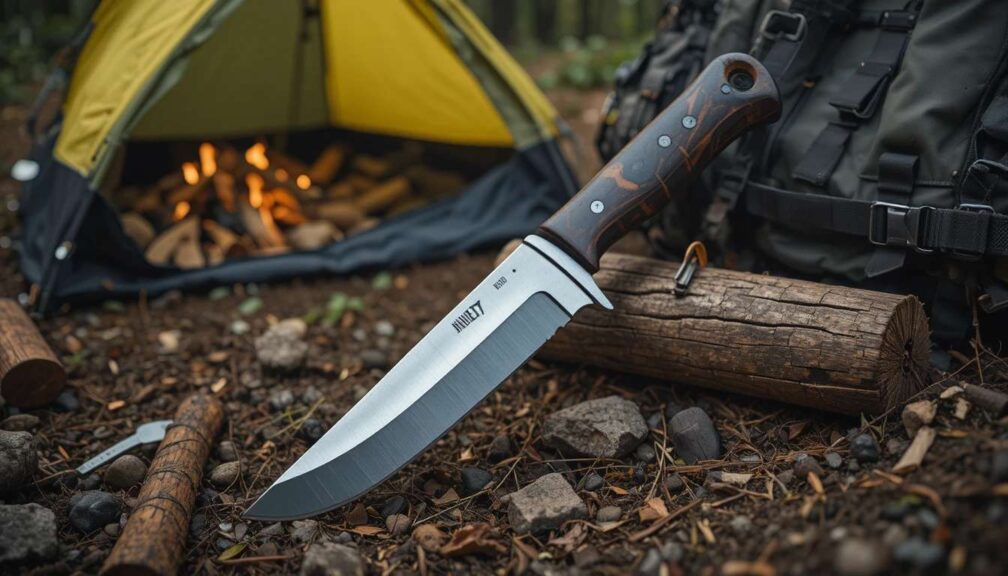
Bushcraft and Camping
Modern survivalists value the Bowie for the exact same reasons the pioneers did. When you venture deep into the woods, carrying multiple heavy tools becomes exhausting. A high-quality Bowie serves as an excellent all-in-one camp tool. You can use it to baton firewood, chop through thick roots, hammer tent pegs with the flat of the blade, and prepare camp meals.
Pop Culture and Collecting
The blade also holds a massive place in popular culture. Action movies constantly feature heroes wielding these massive knives. The gaming world has also fully embraced the legend. For instance, the Bowie knife CS2 (Counter-Strike 2) in-game item is highly sought after by players, bringing the classic frontier design into the digital age.
Many enthusiasts enjoy collecting these knives for their historical significance and aesthetic appeal. Custom knife makers pour incredible craftsmanship into creating beautiful, display-worthy pieces featuring handles made from bone, antler, or exotic woods.
Finding the Best Bowie Knife for Sale
If you want to experience the versatility of this historic blade for yourself, you might be looking for a Bowie Knife for sale. Before you buy, you need to understand what makes a high-quality blade.
Finding the best Bowie knife depends entirely on how you plan to use it. Consider the following factors before making your purchase:
Blade Steel
Knives are generally made of either carbon steel or stainless steel. Carbon steel holds a remarkably sharp edge and withstands heavy chopping impacts beautifully. However, it requires regular oiling to prevent rust. Stainless steel resists rust and corrosion much better, making it ideal for wet environments, but it can be slightly harder to sharpen in the field.
Tang Construction
If you plan to use your knife for survival or chopping, you must buy a “full tang” blade. This means the steel of the blade extends continuously through the handle. Full tang construction prevents the blade from snapping off at the hilt when you strike hard materials like wood or bone.
Handle Material and Ergonomics
A heavy knife requires a comfortable, secure grip. Materials like Micarta, G10, or textured rubber offer excellent grip even when your hands are wet or sweaty. Traditional materials like leather, stag, or wood look fantastic but may become slippery during intense outdoor chores. Always ensure the handle fits comfortably in your hand to prevent blisters and fatigue.
Conclusion
The Bowie knife stands as a testament to American ingenuity and frontier resilience. From its debated origins and the legendary James Bowie knife to its digital presence as a Bowie knife CS2 skin, this blade has secured its place in history.
What is the purpose of a Bowie knife? It is a heavy-duty survival tool, a reliable hunting companion, and a striking piece of historical craftsmanship. Whether you want to clear brush around your campsite, add a beautiful piece to your collection, or own a reliable piece of outdoor gear, this iconic blade remains as relevant today as it was nearly two centuries ago.
If you are ready to add one to your gear, explore reputable outdoor retailers to find a knife that perfectly balances historical design with modern reliability.
Frequently Asked Questions About Bowie Knives
What makes a knife an “Original Bowie Knife”?
The term “Original Bowie Knife” typically refers to early designs created for or by James Bowie in the early 19th century. These knives feature a large, fixed blade with a clip point and a strong crossguard, often custom-forged by different blacksmiths.
Who invented the Bowie knife?
Most sources credit Rezin Bowie (James Bowie’s brother) with the initial design, while blacksmith James Black refined it into the famous form we know today. However, the true origins are still debated among historians.
What is the primary purpose of a Bowie knife?
Historically, Bowie knives were crafted for self-defense (combat) and survival tasks, such as chopping wood, skinning game, and general outdoor utility.
How do I choose the best Bowie knife?
Look for a full tang construction, quality blade steel (carbon or stainless), and a comfortable handle. The right choice depends on your intended uses—for survival, bushcraft, collecting, or display.
Are Bowie knives still used today?
Yes! While they’re not common in modern combat, they are favored by outdoors enthusiasts, survivalists, and collectors for their versatility, strength, and historical value.
What is the “Bowie knife CS2”?
“Bowie knife CS2” refers to a popular virtual Bowie knife skin in the game Counter-Strike 2. This digital version pays homage to the historical blade, delighting gamers and knife enthusiasts alike.
Can I find Bowie knives for sale online?
Absolutely. Many reputable retailers and custom knife makers offer Bowie knives for sale. Always ensure you’re buying from a trusted source, especially if looking for authentic or high-quality pieces.
Are there any legal restrictions on owning a Bowie knife?
Laws regarding Bowie knife ownership and carry vary by country and state. Always check your local regulations before purchasing or carrying a Bowie knife.